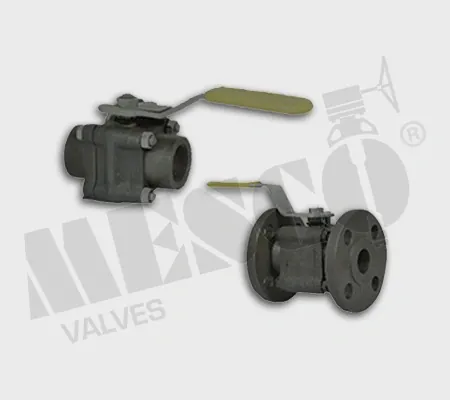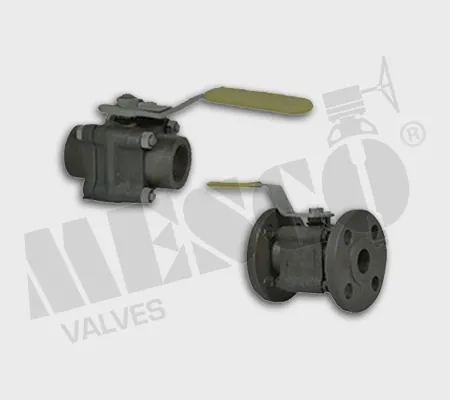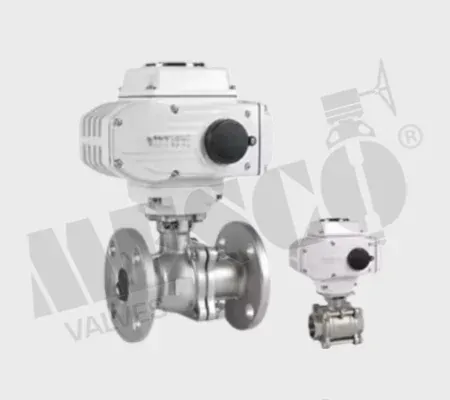
Utilities run through every plant: steam and condensate, compressed air, nitrogen, cooling and chilled water, and fire water. They often account for more valves than the process itself. Ball valves suit most utility isolation points thanks to their quick operation and tight shut-off.
Selection by utility
| Utility | Suggested valve | Remarks |
|---|---|---|
| Steam & condensate | Carbon steel / forged | High-temperature seats; on/off only |
| Compressed air & nitrogen | Threaded / two-piece | Screwed ends for small headers |
| Cooling & chilled water | Flanged / motorized | Motorized for HVAC / BMS control |
| Instrument air | Mini ball valve | Compact SS bar-stock |
Steam service best practice
- Choose seats rated above maximum steam temperature.
- Open slowly to avoid water hammer; drain condensate before opening.
- Insulate valves on steam lines but keep the gland accessible.
FAQs
Which seat is best for steam ball valves?
RPTFE or PEEK for moderate steam temperatures; graphite or metal seats for higher temperatures. Share your steam pressure and temperature for a recommendation.
Can ball valves be used on compressed air lines?
Yes, ball valves are widely used for compressed air and nitrogen isolation.