Oil and gas service demands valves that seal tightly, resist fire and pressure surges, and stay operable after long idle periods. Quarter-turn oil and gas ball valves are favoured because they close quickly, have a straight-through flow path and can be automated for emergency shutdown.
Shree Ganesh Engineering Works supplies carbon steel, forged and trunnion-mounted ball valves for crude, product, fuel and gas service, designed to API and other international specifications. NACE requirements for sour service can be met on request.
Recommended ball valves for oil & gas
| Service / location | Suggested valve | Why |
|---|---|---|
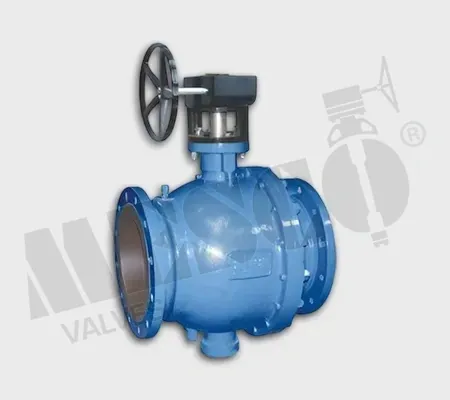
| Crude and product pipelines | Trunnion Mounted Ball Valve | Low torque at large size and high class |
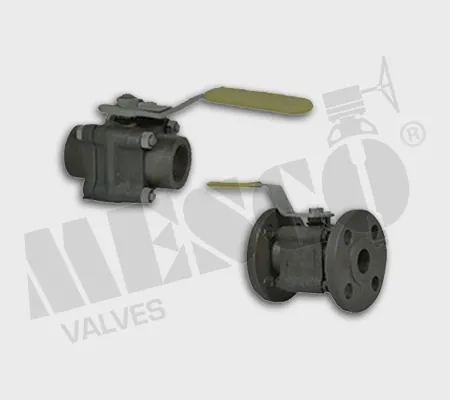
| Small-bore hydrocarbon lines | Forged Steel Ball Valve | Forged A105 body for high pressure classes |
| Tank farm and terminal isolation | Carbon Steel Ball Valve | Strong, economical CS body |
| Remote / ESD valves | Pneumatic Actuated Ball Valve | Spring-return fail-safe action |
| Chemical injection and sampling | High Pressure Ball Valve | Bar-stock valves up to 6000 PSI |
These are typical selections. Final material, seat and pressure class are confirmed against your process datasheet.
Selection points for hydrocarbon service
- Pressure class matched to the piping class (ASME 150 to 2500).
- Seat material suited to temperature – RPTFE or PEEK for higher temperatures.
- Full bore where pigging is required (see full bore ball valves).
- Sour service materials where H₂S is present.
FAQs
Which ball valve is best for gas pipelines?
Trunnion-mounted ball valves are preferred for larger gas pipelines because of their low operating torque and reliable spring-loaded seats; forged floating valves suit smaller bores.
Can you supply ball valves for sour service?
Yes, NACE requirements for sour service can be met on request.