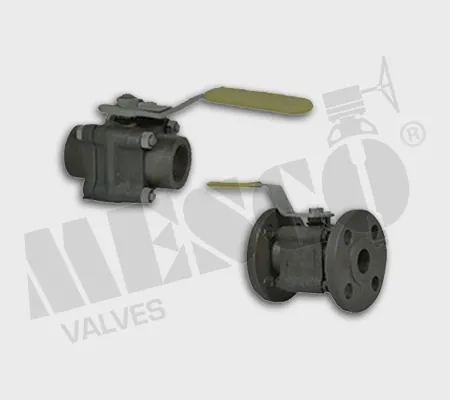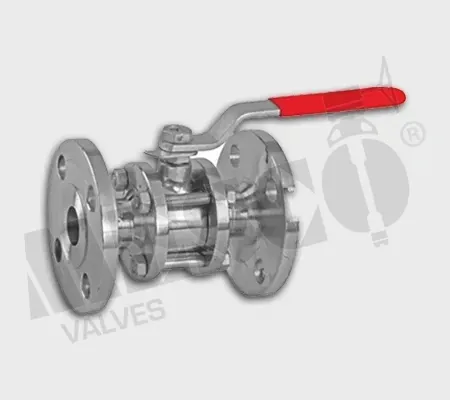

Thermal, captive and co-generation power plants use ball valves across balance-of-plant systems: fuel oil and gas skids, drains and vents, lube oil, instrument air, cooling water and chemical dosing for boiler water. Forged and carbon steel ball valves with high-temperature seats handle steam auxiliaries; actuated valves automate fuel and water systems.
Recommended ball valves for power plants
| Service / location | Suggested valve | Why |
|---|---|---|
| Steam drains and vents | Forged Steel Ball Valve | High-pressure forged body |
| Fuel oil and gas skids | Carbon Steel Ball Valve | Strong, weldable CS body |
| Cooling water and utilities | Flanged Ball Valve | Large sizes, bolt-in |
| Boiler chemical dosing | High Pressure Ball Valve | Bar-stock high-pressure design |
| Automated fuel isolation | Pneumatic Actuated Ball Valve | Fail-safe action |
These are typical selections. Final material, seat and pressure class are confirmed against your process datasheet.
Steam service caution
Ball valves in steam service need seats rated above the steam temperature – RPTFE, PEEK or graphite. For throttling or very high temperatures, a globe or gate valve may be more suitable; our team will advise.
FAQs
Can ball valves be used on steam lines?
Yes, for on/off isolation with suitable high-temperature seats. They should not be used for throttling steam.
Which ball valves are used in power plants?
Forged and carbon steel ball valves for steam auxiliaries and fuel, flanged valves for cooling water, and actuated valves for automated systems.