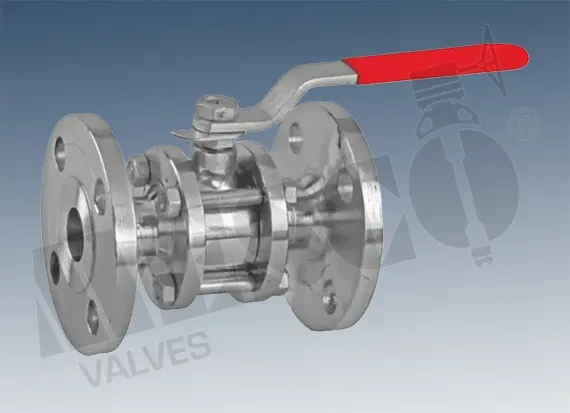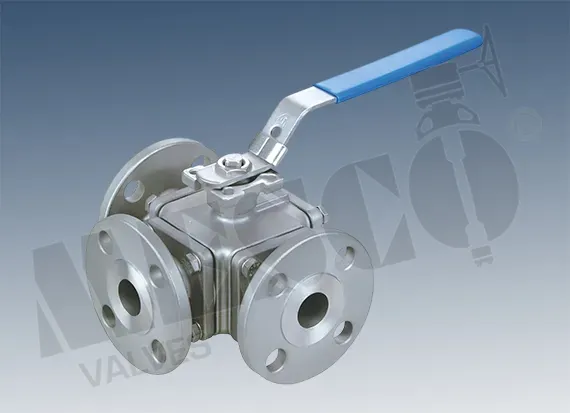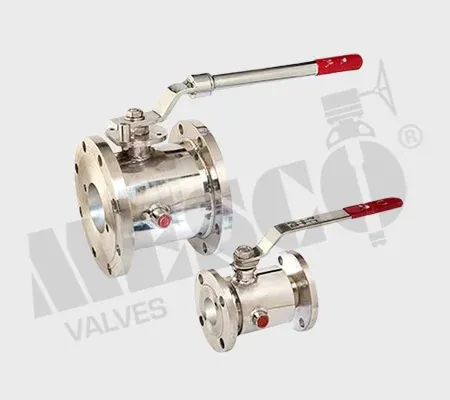
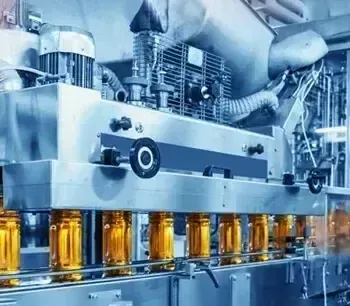
Food and beverage plants need valves that keep product clean, survive CIP chemicals, and drain completely. Stainless steel three-piece and three-way ball valves are common in utility, CIP and transfer lines, while jacketed valves keep fats, chocolate and syrups fluid, and flush bottom valves empty mixing tanks without dead zones.
Recommended ball valves for food & beverage
| Service / location | Suggested valve | Why |
|---|---|---|
| Transfer and CIP lines | Three Piece Ball Valve | Cleanable, SS construction |
| CIP supply / return diverting | Three Way Ball Valve | L/T port switching |
| Fats, chocolate, syrups | Jacketed Ball Valve | Keeps media fluid |
| Mixing tank outlets | Flush Bottom Ball Valve | No dead zone |
| Automated process steps | Pneumatic Actuated Ball Valve | Fast cycling |
These are typical selections. Final material, seat and pressure class are confirmed against your process datasheet.
Sugar and edible oil plants
Sugar mills and edible-oil refineries use ball valves on steam, condensate, syrup and oil lines. Carbon steel valves suit steam and utilities; stainless steel is used for product contact.
FAQs
Are your ball valves food grade?
We supply stainless steel ball valves for food processing utilities and process lines. Please share any specific hygienic standard or surface-finish requirement in your enquiry so we can confirm suitability.
Which valve is used in CIP systems?
Stainless steel three-way and three-piece ball valves, often pneumatically actuated, are common in CIP supply and return lines.