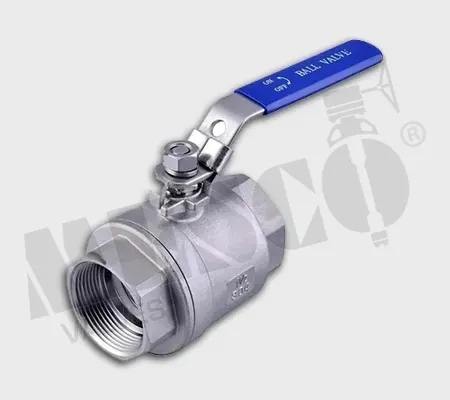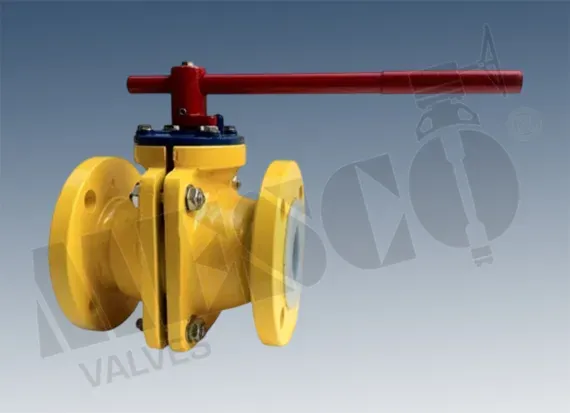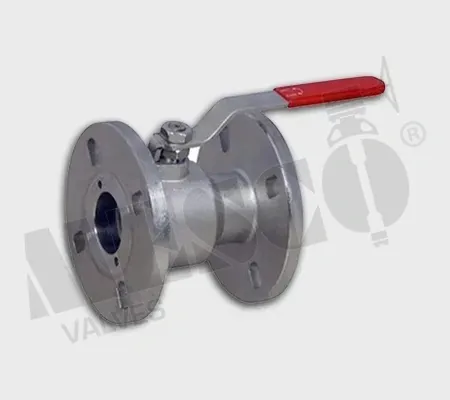
Chemical plants handle a wide range of media – from mild solvents to concentrated acids – often in batch processes that need frequent cycling and cleaning. The right ball valve for the chemical industry depends on media, concentration and temperature: stainless steel for most solvents and mild chemicals, PTFE lined valves for strong acids and alkalis, and special designs for reactor outlets.
Recommended ball valves for chemical processing
| Service / location | Suggested valve | Why |
|---|---|---|
| Solvent and general chemical lines | Stainless Steel Ball Valve | SS316 corrosion resistance |
| Acids and alkalis | Teflon Lined Ball Valve | PTFE-lined wetted parts |
| Reactor bottom outlets | Flush Bottom Ball Valve | No dead pocket |
| Welded process lines | Three Piece Ball Valve | In-line maintenance |
| Diverting between vessels | Three Way Ball Valve | One valve, multiple paths |
These are typical selections. Final material, seat and pressure class are confirmed against your process datasheet.
Material compatibility first
Always share media, concentration and temperature. A valve that works in 10% sulphuric acid at ambient may fail at higher concentration or temperature. Our material selection guide explains the main options.
FAQs
Which ball valve is best for acid service?
PTFE (Teflon) lined ball valves are usually the most cost-effective choice for acids; stainless or alloy valves may be used for specific acids and temperatures.
What is a flush bottom valve used for?
It mounts directly on reactor or tank bottoms to eliminate the dead pocket in the outlet nozzle.