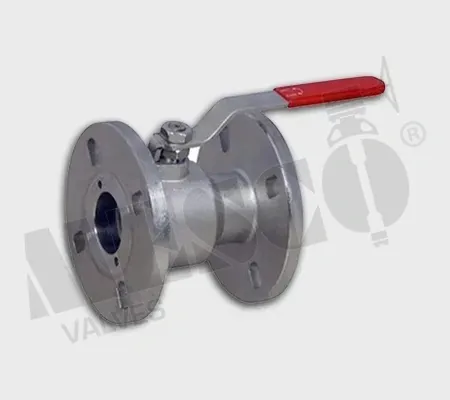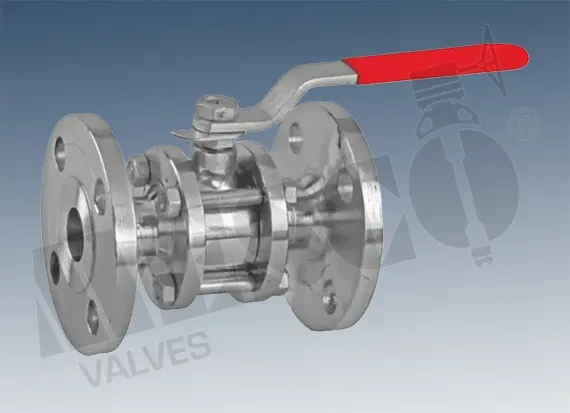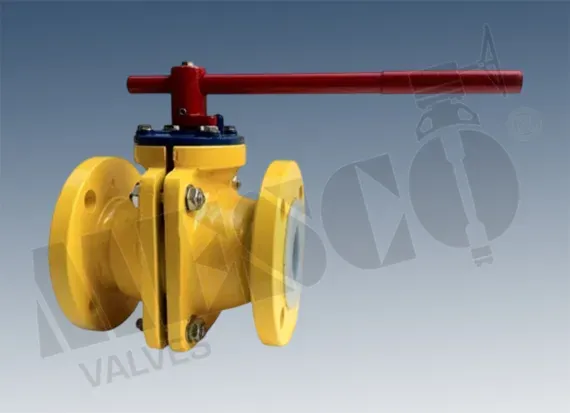
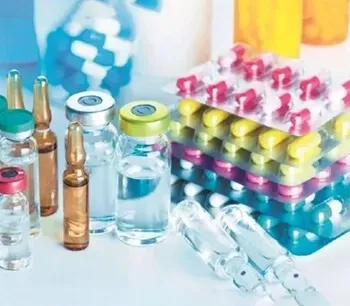
Pharmaceutical plants need valves that do not contaminate product, can be cleaned between batches, and are documented. Stainless steel three-piece ball valves are popular because the centre body can be removed for cleaning and seat replacement without disturbing welded pipework. API (bulk drug) plants also use flush bottom valves on reactors and PTFE lined valves on acid and solvent lines.
Recommended ball valves for pharmaceutical
| Service / location | Suggested valve | Why |
|---|---|---|
| Reactor bottom outlets | Flush Bottom Ball Valve | Complete drainage between batches |
| Solvent and process lines | Three Piece Ball Valve | Cleanable, in-line maintenance |
| Acid and corrosive reagents | Teflon Lined Ball Valve | PTFE-lined wetted parts |
| Utilities and purified water | Stainless Steel Ball Valve | SS316 / 316L construction |
| Automated batch sequences | Pneumatic Actuated Ball Valve | PLC control, position feedback |
These are typical selections. Final material, seat and pressure class are confirmed against your process datasheet.
Pharma clusters
Gujarat and Maharashtra together host a large share of India's pharmaceutical manufacturing – Ahmedabad, Vadodara, Ankleshwar, Vapi, Mumbai–Thane and Pune. See our pages for Ahmedabad and Vapi.
FAQs
Which valve material is preferred in pharma plants?
SS316 / 316L for wetted parts, with PTFE-family seats compatible with the process and cleaning chemicals.
Why are three-piece ball valves used in pharma?
They can be opened for cleaning and seat replacement without cutting welded pipework.