Water and wastewater treatment plants use ball valves throughout – on filter skids, RO trains, chemical dosing lines, sampling points and backwash systems. Many are automated so the plant can run filter backwash and dosing sequences from a PLC.
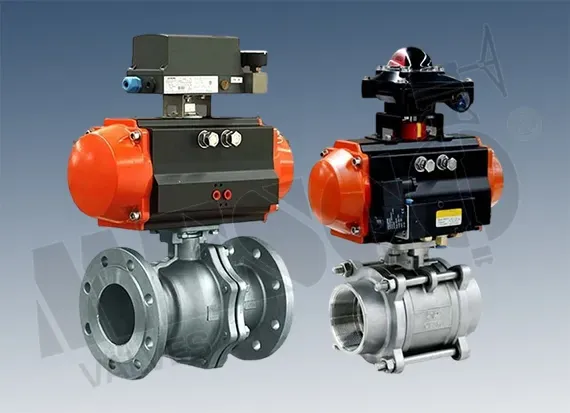
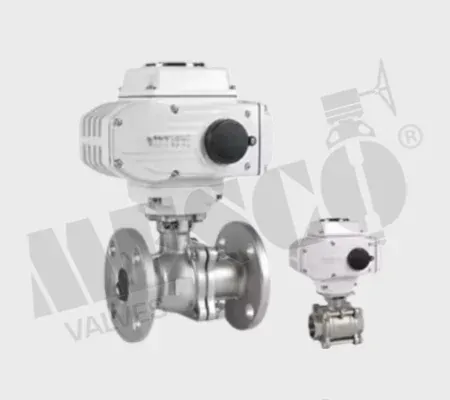
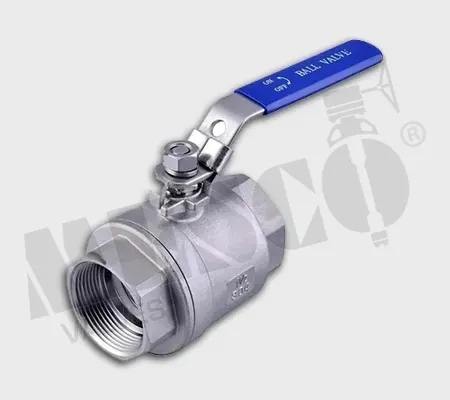
We supply water treatment ball valves in stainless steel for treated and RO water, PTFE lined valves for dosing chemicals, and motorized or pneumatic actuated valves for automated sequences.
Recommended ball valves for water treatment
| Service / location | Suggested valve | Why |
|---|---|---|
| Filter skid and backwash sequencing | Pneumatic Actuated Ball Valve | Fast PLC-controlled cycling |
| Remote distribution and tank inlet | Motorized Ball Valve | No compressed air needed |
| RO and treated water lines | Stainless Steel Ball Valve | Corrosion-resistant SS |
| Acid / hypochlorite dosing | Teflon Lined Ball Valve | Chemical resistance |
| Pump isolation | Flanged Ball Valve | Bolt-in installation |
These are typical selections. Final material, seat and pressure class are confirmed against your process datasheet.
STP and ETP considerations
Effluent may carry solids. Use full bore valves where solids are present, and keep ball valves fully open or fully closed – throttling erodes seats.
FAQs
Are motorized ball valves suitable for water treatment?
Yes. Motorized ball valves are widely used for remote tank filling, distribution and sequencing where compressed air isn't available.
Which material is used for RO plant valves?
SS316 is commonly used for RO and high-chloride water to resist pitting.