Quick specifications
- MountingVessel / reactor bottom flange
- BodySS, CS
- OutletFlanged
- OperationLever, gear, actuator
- UseTank & reactor drain
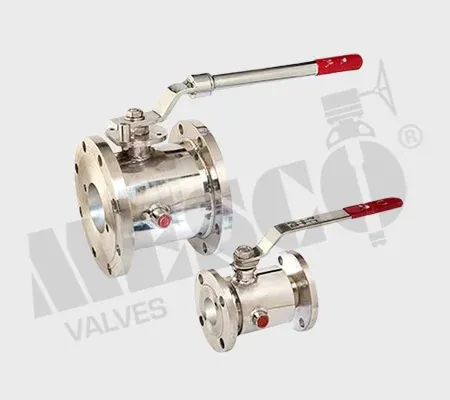
When a normal valve is installed on a tank outlet, a short length of nozzle remains between the vessel and the valve seat. Product sits in that pocket, can settle or solidify, and contaminates the next batch. A flush bottom ball valve bolts to the vessel's bottom flange so the ball seals at the tank surface, eliminating the dead zone and allowing complete drainage.
Where flush bottom valves are used
- Reactor and kettle bottom outlets in chemical and pharmaceutical plants.
- Mixing vessels and storage tanks in food processing.
- Crystallisers and tanks with slurries that settle at the bottom.
Information needed for a quotation
Vessel bottom flange size and standard, outlet size and orientation, process media, temperature and pressure, and preferred operation. A jacketed version can be discussed for media that solidify.
Flush Bottom Ball Valve – technical specifications
| Body material | Stainless steel or carbon steel |
|---|---|
| Inlet | Flanged to vessel bottom nozzle |
| Outlet | Flanged, orientation as specified |
| Seat & seals | PTFE, RPTFE, PEEK, Graphite; seals in Viton or NBR |
| Operation | Lever, gearbox, pneumatic or electric actuator |
| Design details | Confirmed against vessel drawing |
Ranges shown cover the product family. The exact rating, size and temperature limit for your valve depend on body material, seat material and design, and are confirmed in our quotation and datasheet.
Key benefits
- No dead pocket at the tank outlet
- Complete drainage between batches
- Reduces product loss and contamination
- Easy cleaning
- Manual or automated
Applications
- Reactor and vessel discharge
- Pharmaceutical batch vessels
- Food mixing and storage tanks
- Process plant tank drains
Industries served
Frequently asked questions
What is a flush bottom ball valve?
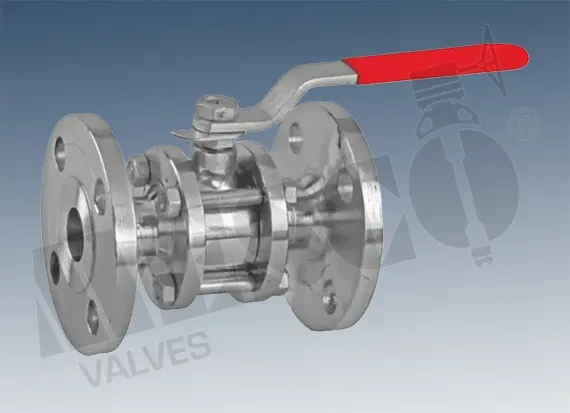
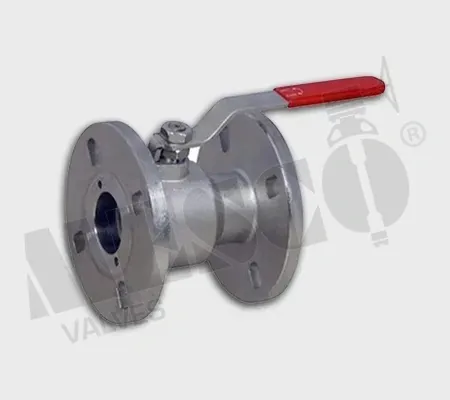
A ball valve mounted directly on a tank or reactor bottom flange, with the seat flush to the vessel to prevent a stagnant pocket.
Why use a flush bottom valve instead of a standard valve?
It eliminates the dead zone in the outlet nozzle, so product does not settle, solidify or contaminate the next batch.
What details do you need to quote?
Vessel flange size and standard, outlet details, media, temperature, pressure and operation type.