Quick specifications
- BodyCarbon steel / ASTM A105
- Pressure classASME 150 – 2500
- Size range½" to 24"
- EndsFlanged, screwed, SW, BW
- SeatsRPTFE, PEEK, graphite
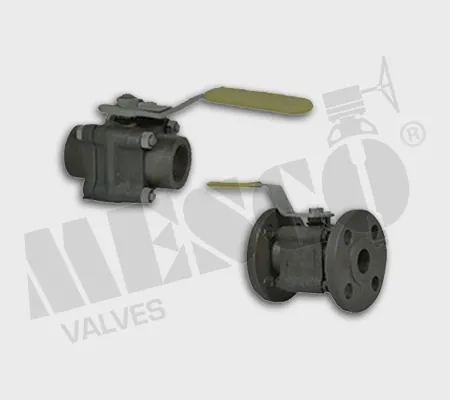
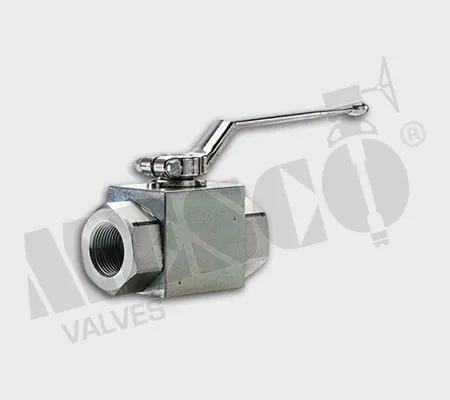
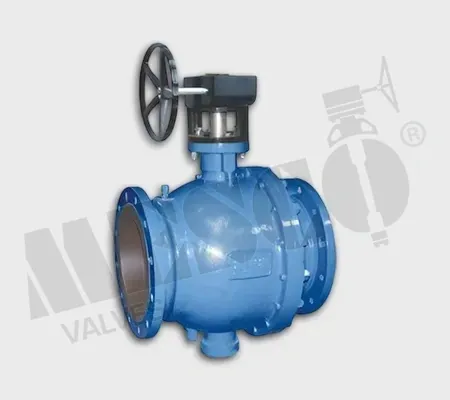
Carbon steel is the default body material for hydrocarbon, steam and utility piping because it combines high strength with low cost. As a carbon steel ball valve manufacturer, we supply CS ball valves in cast and forged (ASTM A105) construction for refineries, power plants, process plants and pipeline projects.
A CS ball valve is normally fitted with a stainless steel ball and stem, giving a corrosion-resistant sealing surface inside a strong, weldable carbon steel body.
When to choose carbon steel
- Hydrocarbons – crude, diesel, fuel oil, LPG lines and gas headers.
- Steam, condensate and boiler feed lines (with suitable high-temperature seats).
- Compressed air, nitrogen and inert gases.
- Lines with high pressure where stainless steel would be uneconomical.
Avoid plain carbon steel for acids, chlorides or wet corrosive media – choose stainless steel or a PTFE lined ball valve instead.
Forged vs cast carbon steel
Small-bore, high-pressure valves are usually made from forged A105, which has a dense grain structure and no casting porosity. Larger flanged valves are commonly cast. Both are tested to API 598 before dispatch. Our engineers will recommend the right construction for your size and class.
Sour service and coatings
For sour hydrocarbon service, valves can be supplied to meet NACE requirements on request. External painting can be specified to suit your site's colour code and environment.
Carbon Steel Ball Valve – technical specifications
| Body | Carbon Steel, ASTM A105 (forged) |
|---|---|
| Ball & stem | SS304 / SS316 / SS410 |
| Size range | ½" to 24" (15 mm to 600 mm) |
| Pressure rating | ASME Class 150 to 2500 / PN16 to PN420 |
| Seat & seals | PTFE, RPTFE, PEEK, Graphite; seals in Viton or NBR |
| End connections | Flanged (ANSI / DIN / BS), Screwed BSP / NPT, Socket Weld, Butt Weld |
| Operation | Lever, Gearbox, Pneumatic, Electric, Hydraulic |
| Temperature | –29 °C to +550 °C body range; actual limit set by seat and seal material |
| Testing | API 598 / API 6D / BS EN 12266 / ISO 5208, as applicable |
| Sour service | NACE requirements on request |
Ranges shown cover the product family. The exact rating, size and temperature limit for your valve depend on body material, seat material and design, and are confirmed in our quotation and datasheet.
Key benefits
- High mechanical strength for high-pressure lines
- Economical compared to stainless and alloy steel
- Weldable body for SW and BW piping
- Suitable for steam and hydrocarbons with correct seats
- Available from ½" to 24"
Applications
- Oil, gas and fuel lines
- Steam and condensate lines
- Boiler and turbine auxiliaries in power plants
- Compressed air and nitrogen headers
- Petrochemical process units
Industries served
Frequently asked questions
What is A105 in a ball valve?
ASTM A105 is a forged carbon steel specification commonly used for high-pressure valve bodies and flanges up to moderate temperatures.
Can carbon steel ball valves handle steam?
Yes, provided the seat suits the steam temperature. RPTFE, PEEK or graphite seats are used depending on pressure and temperature.
Which pressure classes are available?
Carbon steel ball valves are available from ASME Class 150 up to 2500, depending on size and design.