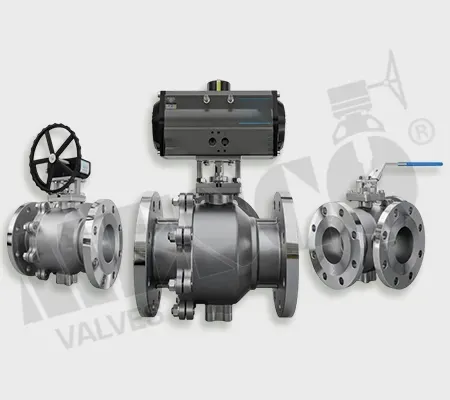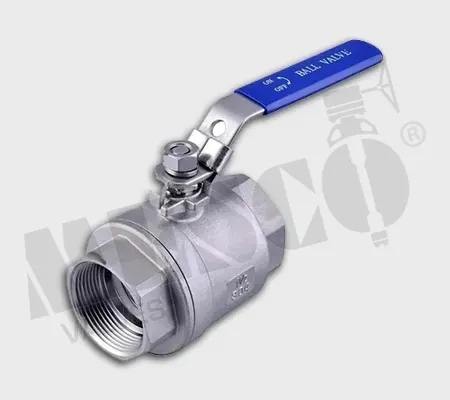
Buyers often ask for a ball valve price list. In industrial valves, the price depends on so many variables that a list is rarely meaningful. Understanding what drives cost helps you compare quotations fairly and avoid over- or under-specifying.
1. Body and trim material
Material is usually the biggest factor. Carbon steel is the most economical; stainless steel costs more; duplex and nickel alloys significantly more. Trim (ball and stem) material adds to this.
2. Size
Cost rises steeply with size – a larger valve needs much more material and machining.
3. Pressure class
Higher classes need thicker walls, stronger bolting and better seats.
4. Bore and construction
Full bore costs more than reduced bore. Three-piece costs more than two-piece. Trunnion costs more than floating.
5. End connection
Flanged ends add material compared to screwed or socket-weld ends.
6. Operation
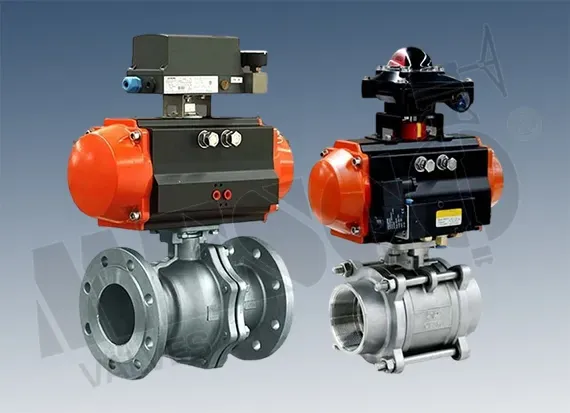
A pneumatic or electric actuator with accessories can cost as much as – or more than – the valve itself.
7. Seats and special features
PEEK seats, PTFE lining, heating jackets and special designs add cost.
8. Testing, inspection and documentation
Third-party inspection, material test certificates and project documentation add cost but are essential for many projects.
Getting an accurate price
Send size, class, material, ends, operation, quantity and inspection requirements together. We'll quote against your exact specification. Request a quote.