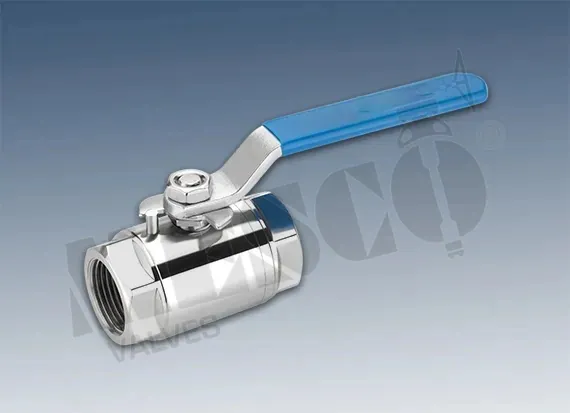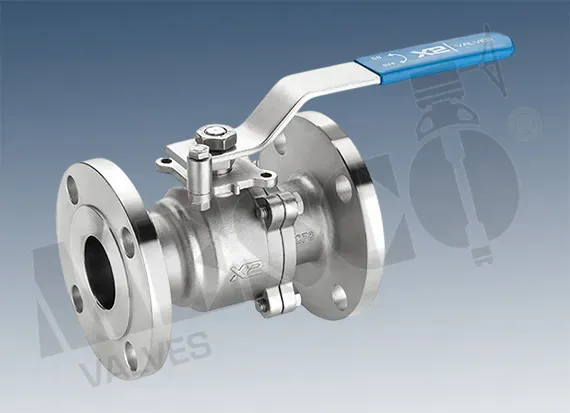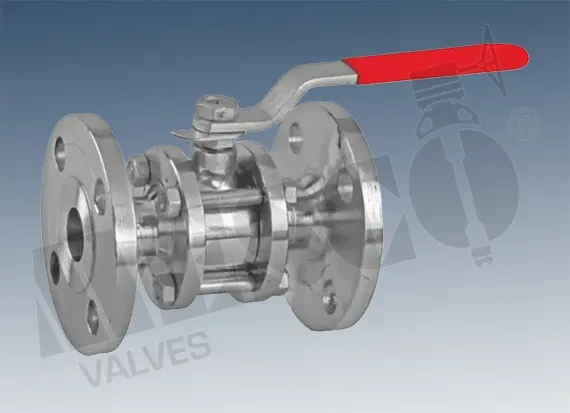
Two ball valves for the same 2-inch line can look similar from outside but have very different balls inside. A full bore (full port) valve has a bore equal to the pipe ID. A reduced bore (standard port) valve has a smaller bore – usually one pipe size down.
Pressure drop
An open full bore valve behaves almost like a straight pipe. A reduced bore valve creates a short restriction, adding some pressure drop. For most clean liquid and gas lines this extra loss is small; for pump suction, gravity drains and long lines it can matter.
Pigging and cleaning
Pipelines that are pigged need full bore valves – a pig cannot pass a reduced bore. The same applies to lines that are rodded or mechanically cleaned.
Viscous media and slurries
Restrictions are where solids settle and viscous media slow down. Full bore valves reduce blockage and erosion risk for slurries, pulps and viscous fluids.
Cost and weight
A full bore valve needs a bigger ball and body, so it is heavier and more expensive. Reduced bore valves are the economical default for general isolation.
Quick decision guide
| Condition | Choose |
|---|---|
| Pigging / rodding | Full bore |
| Slurry or viscous media | Full bore |
| Pump suction, gravity lines | Full bore |
| Clean water, air, gas – general isolation | Reduced bore |
| Drains, vents, utilities | Reduced bore |
See our full and reduced bore ball valves.